

Blog

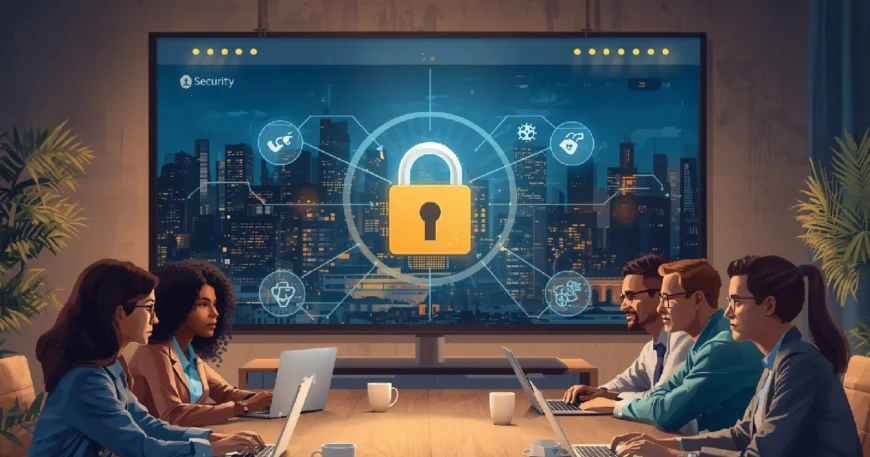
Why Most Breaches Happen After Launch: SaaS Security Testing Best Practices

Why Most Breaches Happen After Launch: SaaS Security Testing Best Practices

As SaaS platforms expand in complexity, security cannot stop at deployment. Post-launch environments introduce new integrations, user access changes, and configuration updates that significantly increase risk exposure. Without continuous validation and monitoring, vulnerabilities can quietly develop into major breaches. A structured and ongoing security strategy, supported by experts like StrongBox IT, helps organisations reduce these […]

Read More
Is Your ISO Certificate Truly Valid

Is Your ISO Certificate Truly Valid

Obtaining an ISO certificate is an important milestone for organisations committed to quality, security, and operational excellence. However, not all ISO certificates carry equal weight. The validity and acceptance of an ISO certificate depend significantly on whether it was issued by an accredited certification body or a non-accredited one. Understanding the distinction between the two […]
Read More

ISO/IEC 42001 Explained:Why It Matters for Responsible AI Governance

As artificial intelligence (AI) becomes more integrated into business operations, organisations face growing pressure to not just innovate — but to govern AI responsibly. ISO/IEC 42001 is the world’s first international standard for AI Management Systems (AIMS), offering a structured and certifiable framework for organisations to manage AI with transparency, accountability, and ethical discipline. This […]
Read More
Helpdesk Impersonation attack

Helpdesk Impersonation: A High-Risk Social Engineering Attack

With organizations becoming more digitally interconnected, threat actors are placing greater emphasis on manipulating people instead of breaching systems directly. One of the most deceptive and damaging tactics is helpdesk impersonation — a form of social engineering in which attackers pose as legitimate users or trusted personnel to manipulate support staff into granting unauthorized access. […]
Read More
Drive-by downloads

What are drive-by download attacks?

A drive-by download attack is a type of cyber threat where malicious software is downloaded and installed on a user’s device without their knowledge or consent simply by visiting a compromised or malicious website. Unlike traditional malware attacks, users often do not have to click a link or open an attachment — the infection can […]
Read More
ISO 42001 vs ISO 27001 Difference

ISO 42001 vs ISO 27001: What Do You Really Need?

Organisations increasingly depend on secure information systems and intelligent technologies to support their operations. Two key ISO standards — ISO 27001 and ISO 42001 — address important areas of risk and governance, yet they serve distinct purposes. Understanding their differences, overlaps, and practical applications is essential for organisations seeking to strengthen information security and ensure […]
Read More
What is Patch Management

What is Patch Management: Effective Strategies & Best Practices

Ensuring up-to-date software across IT environments is an important component of modern cybersecurity. Patch management is essential for strengthening an organization’s security posture by systematically identifying, testing, and deploying updates that fix software vulnerabilities and improve performance. What is patch management? Patch management is a structured process that involves finding, evaluating, testing, and applying software […]
Read More
Stealc Malware

What is Stealc Malware?

Stealc malware is an advanced information-stealing malware (infostealer) designed to secretly collect sensitive data from infected systems. Its primary focus is on web browsers, where it extracts saved passwords, cookies, autofill data, and session information. In many cases, it also targets cryptocurrency wallets and system files, making it a high-risk threat for both individuals and […]
Read More
What is Vishing

What is Vishing?

Vishing, short for voice phishing, is a type of social engineering scam in which attackers use phone calls or voice messages to trick individuals into revealing sensitive personal or financial information such as passwords, bank details, and credit card numbers. Unlike traditional phishing that targets victims through emails or malicious links, Vishing relies on real-time […]
Read More
Infostealer Malware

What Is Infostealer Malware?

Infostealer malware is a type of malicious software designed to secretly steal sensitive information from a victim’s device without their knowledge. Once installed, it harvests passwords, cookies, financial data, crypto wallet details, documents, and other personal information, then sends that data back to cybercriminals who can profit from or exploit it. Infostealers are a major […]
Read More