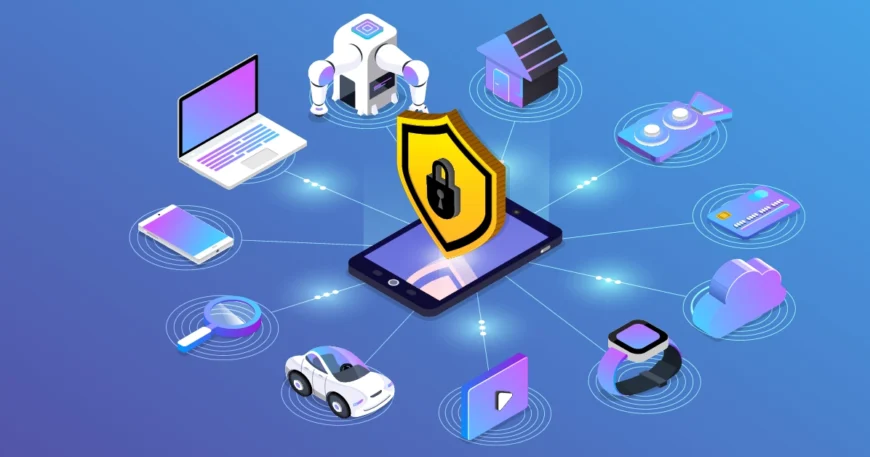
The Internet of Things (IoT) continues to expand across industries, connecting smart devices, sensors, and systems that help organizations automate operations and collect real-time data. From smart manufacturing equipment to connected healthcare devices and smart buildings, IoT technology improves efficiency and productivity. However, the growing number of connected devices also increases exposure to cyber threats.
Many IoT devices operate with minimal built-in security, making them attractive targets for attackers. Weak authentication, outdated firmware, and unsecured networks can allow cybercriminals to gain access to devices and use them to launch larger attacks. Implementing strong IoT security practices is essential for protecting sensitive data, connected systems, and business operations.
StrongBox IT helps organizations identify security gaps in IoT environments and implement protection strategies that reduce the risk of cyber attacks on connected devices.
6 Key recommendations for IoT security best practices
Organizations can significantly improve IoT security by following these essential recommendations:
Keeping track of every connected device is the first step toward effective IoT security. Organizations should maintain an updated inventory that includes device types, firmware versions, and network locations. This helps security teams detect unknown devices and identify potential vulnerabilities.
Many IoT devices come with default usernames and passwords that attackers can easily guess. Changing these credentials during deployment and enforcing strong authentication methods helps prevent unauthorized access.
IoT devices should not operate on the same network as sensitive business systems. Network segmentation isolates devices in separate network zones, limiting the impact of a compromised device and preventing attackers from moving across the network
Outdated firmware often contains known vulnerabilities. Organizations should regularly update device firmware and apply security patches to reduce the risk of exploitation.
IoT devices continuously transmit data to other systems and cloud platforms. Encrypting communications and protecting stored data prevents unauthorized interception or manipulation.
Continuous monitoring helps detect unusual device behavior that could indicate a security breach. Network monitoring and threat detection systems allow organizations to identify compromised devices early and respond quickly.
StrongBox IT provides vulnerability assessment and security testing services that help organizations detect IoT security weaknesses before attackers exploit them.
What works best for IoT security?
Effective IoT security requires a combination of technology, policies, and continuous monitoring. The most effective approach focuses on securing devices, networks, and data simultaneously.
Some of the most effective IoT security strategies include:
Implementing Zero Trust security models where every device must be verified before accessing a network
Using secure device authentication and identity management
Applying regular vulnerability assessments and penetration testing
Monitoring network traffic to detect suspicious communication patterns
Organizations that combine these strategies are better equipped to prevent unauthorized access and detect potential threats before they escalate into serious incidents.
Security specialists at StrongBox IT help businesses evaluate their IoT environments and implement practical controls that strengthen overall security.
IoT security vs OT security
Although IoT and Operational Technology (OT) environments may appear similar, their security priorities differ significantly.
Aspect
IoT Security
OT Security
Primary focus
Protecting connected devices and data
Protecting industrial systems and operational processes
System reliability, operational safety, and system availability
Risk impact
Data exposure and network compromise
Production disruption and safety risks
While IoT security focuses on protecting device communication and data, OT security prioritizes operational stability and safety in industrial environments. Many organizations now integrate both strategies to secure modern connected infrastructures.
Business impact of IoT breaches
IoT security failures can have serious consequences for organizations. A compromised device may provide attackers with entry into a corporate network or become part of a larger botnet attack.
Some common business impacts of IoT breaches include:
Operational disruption – Compromised devices may interrupt manufacturing processes, smart systems, or business operations.
Data breaches – IoT devices often collect sensitive data, which attackers can steal or manipulate.
Financial losses – Cyber attacks can lead to recovery costs, regulatory penalties, and revenue loss due to service downtime.
Reputational damage – Security incidents involving connected devices can reduce customer trust and harm brand reputation.
Organizations that proactively secure IoT devices reduce the likelihood of these incidents and protect their long-term business stability. At StrongBox IT, we support organizations in strengthening their security posture by identifying vulnerabilities and implementing effective protection strategies.
Conclusion
IoT technology is transforming how organizations operate, but the growth of connected devices also introduces new cybersecurity challenges. Weak credentials, outdated firmware, and unprotected networks can create opportunities for cyber attackers.
By following key IoT security best practices—such as maintaining device visibility, implementing network segmentation, updating firmware, encrypting data, and continuously monitoring devices—organizations can significantly reduce the risk of cyber attacks.
Adopting a proactive approach to IoT security ensures that connected systems remain reliable and protected. With the right security measures and expert guidance from StrongBox IT, businesses can safeguard their IoT environments and maintain a resilient cybersecurity posture.