


A salami attack involves stealing tiny amounts from multiple transactions so each goes unnoticed while the total loss grows over time. These attacks often target automated financial or data systems where small changes blend in easily. This blog explains how salami attacks work, how to detect them, and key steps to prevent them.
What is a Salami Attack?
A salami attack — also known as salami slicing or penny shaving — refers to a stealthy cyber-fraud technique in which a perpetrator steals small amounts of money, data or resources from many transactions or accounts over a long period of time.
The name draws on the idea of slicing a salami into thin pieces: each slice is small enough to go unnoticed, but cumulatively it results in a significant loss.
In cybersecurity and financial systems, salami attacks typically exploit automated, high-volume operations such as billing engines, payroll systems, subscription billing, or large-scale data processing — where subtle changes or fractional amounts can hide in the noise of thousands of daily transactions.
How a Salami Attack works
- Insider or privileged access: Usually someone with legitimate access — a system admin, developer, or privileged user — inserts malicious logic or modifies code in a system.
- Small incremental deviations: Instead of big, obvious thefts, the attacker modifies transaction logic or rounding algorithms so that tiny amounts — e.g. a few cents — are siphoned off per transaction or payment. These small discrepancies rarely raise alarms.
- Automation & persistence: Once planted, the malicious code runs automatically with every relevant transaction or data operation. Over time, these micro-fractions accumulate into a substantial gain for the attacker.
- Minimal noise or detectable signatures: Because each theft is minimal and the changes subtle, ordinary audit trails or manual reviews may not catch them.
Likely targets of Salami attacks:
- Financial systems — manipulating billing, payroll, or transaction systems to divert small amounts.
- Data repositories — siphoning small portions of data repeatedly to build a large, sensitive dataset.
- System resources — diverting small amounts of memory, bandwidth, computing power, or other digital resources for malicious use (e.g. cryptomining) in resource-based variants of the attack.

Common Targets & Real-World Scenarios
Salami attacks exploit systems handling a high volume of low-value operations. Common targets include:
- Banking systems and payment processors handle many small transactions daily.
- Payroll/disbursement systems where employee salary payments, bonuses or expense reimbursements pass through automated routines.
- E-commerce platforms, subscription services, billing systems, and other financial-transaction-heavy applications.
- Data-driven systems — where repeated small extractions of customer or user data go unnoticed until aggregated data becomes valuable
One documented example involves a payroll administrator at two companies who reportedly altered banking details over two years to issue unauthorized payments; the fraud was detected only when employees noticed missing payments.
How to detect a Salami Attack
Detecting salami attacks is difficult because the deviations are designed to blend into normal activity. However, certain practices can help unearth these subtle threats:
⇒ Regular audits and reconciliation: Periodically compare transaction logs, billing records, payroll data and accounting ledgers. Even small mismatches can hint at salami-like manipulation.
⇒ Anomaly detection & monitoring tools: Use log analysis and SIEM (Security Information and Event Management) systems to track patterns — repeated rounding down, fractional transfers, or unexpected micro-amounts diverted repeatedly. This helps flag suspicious irregularities even if each instance seems trivial. (Here, a robust platform such as Strongbox IT — which offers secure transaction logging and auditing — can be an important layer of defense.)
⇒ Limit and audit privileged access: Grant admin or privileged system access only to trusted personnel. Maintain detailed change logs and version control for code or scripts controlling financial or billing logic.
⇒ Set thresholds and automated alerts: Configure the system to alert when repetitive micro-transactions occur — e.g. repeated rounding-offs, tiny transfers or resource usage spikes.
⇒ Cross-verification of payout flows: Particularly in payroll or billing systems — verify that each disbursement or payment matches expected values; small deviations should prompt manual review.
How to prevent Salami Attacks
Prevention is often more effective than detection. Key steps:
Use hardened financial or billing systems that resist unauthorized script changes or data manipulation. Implement strong security practices for all sensitive modules.
Grant access only to users who genuinely need it. Avoid giving wide admin rights, especially to those handling billing or transaction logic.
Ensure every update to billing scripts, rounding logic, or transaction workflows goes through peer review and strict version tracking.
Compare aggregated transaction data with expected values frequently. Regular audits reduce the chances of long-running, unnoticed manipulation.
Use monitoring tools or SIEM systems to flag unusual patterns such as repeated micro-transfers or suspicious rounding deviations.
Why Salami Attacks remain a significant threat — and how Strongbox IT strengthens your defence
In an era where automation handles millions of digital transactions daily — billing systems, payroll platforms, subscription services, cloud usage — the subtle nature of salami attacks makes them especially dangerous. Because each fraudulent slice is tiny, such attacks may go undetected for years, by which time the accumulated losses can be massive.
Integrating a hardened security solution like Strongbox IT can significantly bolster resilience. With secure transaction logging, tamper-resistant audit trails, and anomaly alerting, Strongbox IT helps ensure that even minute, repeated deviations don’t slip under the radar. Coupled with access control, code reviews, and periodic audits, organizations can dramatically reduce the risk of salami-type fraud or data theft.
Conclusion
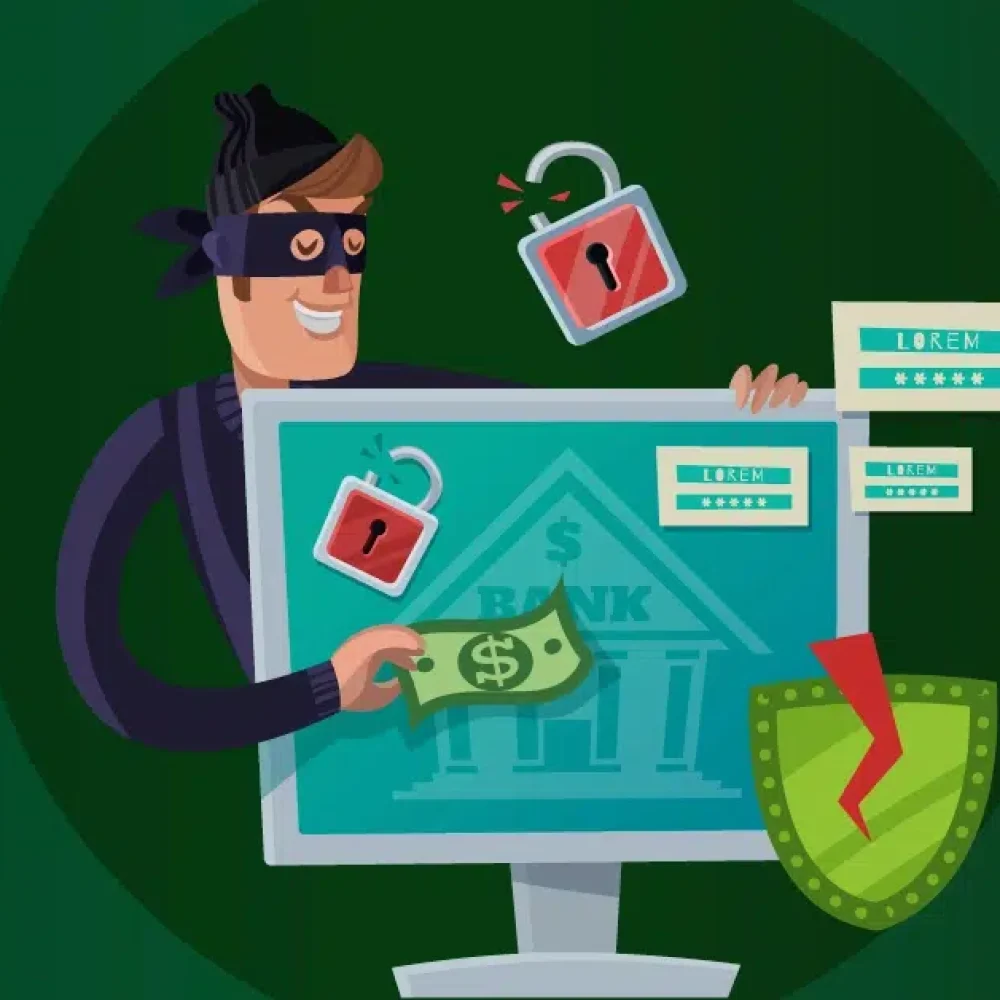
In conclusion, Salami attacks are dangerous because small, unnoticed changes can lead to significant losses over time. Regular audits, strict access control, constant monitoring, and strong internal processes make it easier to detect and block these silent threats. With the right preventive measures, businesses can safeguard their financial systems effectively.
Protect your business from silent cyber-threat with Strongbox IT’s secure monitoring and tamper-proof controls designed to stop salami attacks effectively.

