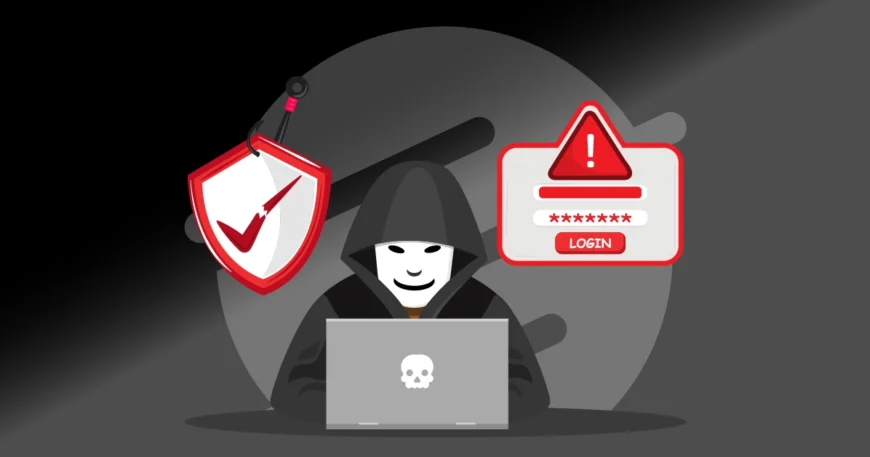
Stealc malware is an advanced information-stealing malware (infostealer) designed to secretly collect sensitive data from infected systems. Its primary focus is on web browsers, where it extracts saved passwords, cookies, autofill data, and session information. In many cases, it also targets cryptocurrency wallets and system files, making it a high-risk threat for both individuals and organisations.
Stealc is distributed through a Malware-as-a-Service (MaaS) model, allowing cybercriminals to deploy it easily through phishing campaigns and malicious downloads.
How Stealc Malware works
Stealc follows a quiet and methodical attack process to avoid detection.
Initial infection
Stealc commonly spreads through:
Phishing emails with malicious attachments or links
Fake software installers and cracked applications
Compromised or deceptive websites
Stealth execution
Once executed, Stealc runs in the background using obfuscation techniques to bypass traditional security tools. This makes early detection difficult without dedicated monitoring.
Data theft
Stealc focuses on collecting:
Browser-stored credentials and cookies
Autofill and saved payment details
Cryptocurrency wallet information
Configured files from the system
Data exfiltration
The stolen data is sent to attacker-controlled servers, where it can be misused for fraud, account takeovers, or resale on underground markets.
Without continuous endpoint monitoring from solutions like StrongBox IT, infostealer malware can remain active for long periods without raising alerts.
Key Capabilities Of Stealc Malware
Stealc is considered dangerous due to its wide range of capabilities:
Multi-browser targeting, including popular Chromium and Firefox-based browsers
Credential and session theft, enabling attackers to bypass logins
Cryptocurrency wallet data extraction
Custom file-grabbing functionality
Modular structure, allowing attackers to update features frequently
Why Stealc Malware is a serious threat
Stealc malware creates long-term security risks rather than immediate system damage.
Account compromise: Stolen credentials enable access to emails, banking platforms, and enterprise systems
Financial losses: Crypto wallets and saved payment data are primary targets
Business exposure: Browser session hijacking can lead to internal system breaches
Delayed detection: Stealth techniques reduce visibility without advanced security tools
Infostealer threats like Stealc highlight the need for robust endpoint protection and continuous threat monitoring, especially for systems handling sensitive credentials.
Common Distribution Methods
Stealc malware is typically delivered through the following methods:
Phishing emails disguised as invoices, payment alerts, or official notices
Job offer and recruitment emails containing malicious attachments or links
Fake software update notifications prompting users to download infected files
Cracked or pirated software downloads hosted on unverified websites
Fake download pages for popular applications and utilities
Malicious online advertisements redirecting users to infected landing pages
Email attachments disguised as PDFs, ZIP files, or documents
Social engineering messages creating urgency or fear to trigger quick actions
User trust exploitation, where attackers rely on familiar branding and urgency to bypass caution
Attackers rely heavily on user trust and urgency to execute these attacks.
How to prevent Stealc Malware: step-by-step protection
Preventing Stealc malware requires a combination of technical controls and disciplined user practices. Since infostealers operate silently, protection must focus on prevention, visibility, and response at every stage.
Install and maintain endpoint security solutions such as StrongBox IT to block malicious files before execution. This helps stop Stealc at the entry point, preventing access to browser data and stored credentials.
Ensure operating systems, browsers, and browser extensions are regularly updated. Security patches close vulnerabilities that Stealc and similar malware often exploit.
Download software only from official sources. Avoid cracked applications, unofficial installers, and pop-up download prompts, which are common Stealc delivery channels.
Use MFA across email accounts, financial platforms, and enterprise systems. Even if Stealc steals credentials, MFA significantly reduces the risk of account takeover.
Use advanced email filtering to block phishing emails containing malicious links or attachments. Most Stealc infections begin with a phishing attempt.
How StrongBox IT helps protect against Stealc Malware
Infostealer threats like Stealc require more than basic antivirus tools, as they operate quietly and target browser-stored credentials. StrongBox IT provides layered security controls that focus on early detection, continuous monitoring, and prevention of data exfiltration.
Endpoint protection
StrongBox IT helps identify and block malicious executables before they can access browser data or system credentials.
Threat monitoring
We continuously monitor suspicious browser activity, credential access attempts, and abnormal outbound traffic.
Preventive security controls
Detection of infostealer behaviour, including credential harvesting patterns
Real-time alerts for unauthorised access to browser and system credentials
Protection against phishing-based malware delivery, reducing the risk of initial infection
Best practices with StrongBox IT
Combine StrongBox IT protection with multi-factor authentication to limit account misuse
Keep operating systems and browsers updated to reduce exploitable vulnerabilities
Restrict unverified software installations to minimise exposure to malicious payloads
Conclusion
Stealc malware is a stealthy and highly effective infostealer that targets browser data, credentials, and cryptocurrency assets. Its MaaS availability and evolving capabilities make it a persistent threat in today’s digital environment.
Adopting a proactive security approach with StrongBox IT helps reduce exposure, improve detection, and protect sensitive data from modern infostealer attacks.