Latest Posts

Social Engineering Attacks: Best Practices for Business Security in 2025
December 11, 2024
Social engineering attacks, which exploit human psychology rather than technical vulnerabilities, have become a significant threat to businesses worldwide. In 2025, the sophistication and frequency of these attacks are expected to grow, driven by advancements in technology and the increasing availability of personal information online. As businesses continue to adopt hybrid and remote work models, they face heightened exposure to these insidious threats. This blog explores how organizations can protect themselves from social engineering attacks with actionable best practices tailored for 2025.
Understanding Social Engineering Attacks
1. Phishing
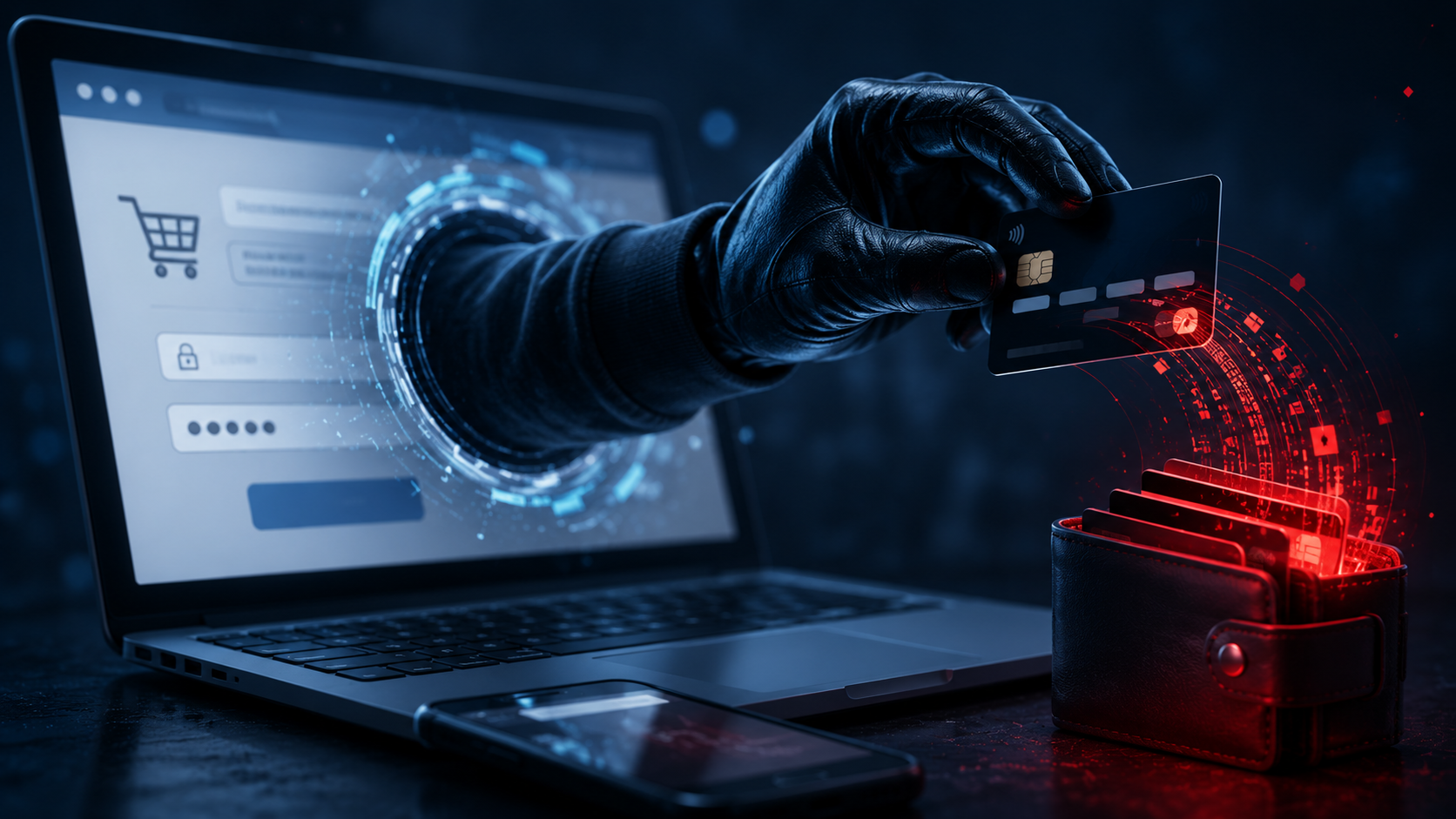
Mass email campaigns designed to trick recipients into clicking malicious links or providing sensitive information.
Example: Fake login pages mimicking legitimate websites.
2. Spear-phishing
Highly targeted phishing attacks customized for specific individuals or organizations.
Example: Pretending to be a trusted business partner requesting urgent financial transactions.
3. Vishing (Voice Phishing)
Fraudulent phone calls designed to extract sensitive information.
Example: Impersonating IT support to gain access to login credentials.
4. Smishing (SMS Phishing)
Similar to phishing, but conducted via text messages.
Example: Fake delivery notifications prompting users to click malicious links.
5. Baiting
Offering tempting incentives, such as free downloads or gifts, to lure victims into compromising their security.
Example: USB drives labeled as “confidential” left in public areas.
6. Pretexting
Creating a fabricated scenario to gain trust and extract information.
Example: Impersonating a bank representative to verify account details.
7. Tailgating
Physically following authorized personnel into restricted areas.
Example: Posing as a delivery person to bypass security protocols.
Why Social Engineering Attacks Are a Growing Threat in 2025?
1 Technological Advancements in Attacks: Cybercriminals are leveraging artificial intelligence (AI) to craft highly convincing attacks, such as personalized phishing emails that mimic an individual’s writing style.
2 Hybrid Work Vulnerabilities: Remote work has increased reliance on digital communication, making employees more susceptible to phishing, vishing, and smishing attacks.
3 Over-reliance on Trust: Employees often overlook red flags due to an inherent trust in familiar brands, colleagues, or superiors.
4 Growing Use of Social Media: Attackers use social media to gather personal and professional information, making their scams more believable.
Best Practices to Protect Your Business from Social Engineering Attacks
Employee Education and Awareness Training
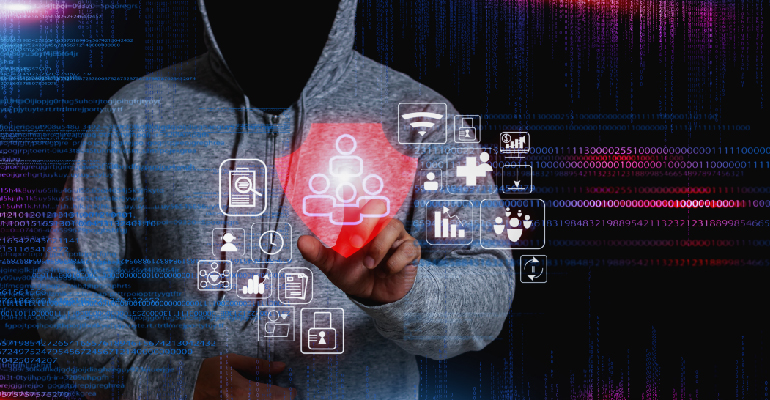
- Conduct regular cybersecurity training sessions to educate employees on identifying and reporting suspicious activities.
- Simulate phishing attacks to measure awareness and response readiness.
- Teach employees to verify requests, even from familiar sources, especially those involving sensitive data or financial transactions.
Establish Robust Policies and Protocols
- Create clear protocols for sharing sensitive information, including verification steps.
- Require multi-step approvals for high-risk transactions.
- Implement strict visitor access policies to prevent tailgating.
Implement Advanced Security Technologies
- Deploy email filters and anti-phishing solutions to block suspicious emails.
- Enforce multi-factor authentication (MFA) to secure accounts.
- Use endpoint protection tools to detect and prevent malware introduced through baiting.
Regular Risk Assessments and Audits
- Conduct periodic vulnerability assessments to identify potential weaknesses.
- Update policies and technologies to address new threats.
- Engage third-party experts for penetration testing to simulate social engineering scenarios.
Encourage a Culture of Cybersecurity
- Foster open communication for employees to report potential threats without fear of repercussions.
- Reward proactive cybersecurity practices, such as identifying and stopping phishing attempts.
The Role of AI and Automation in Combating Social Engineering
AI and automation are essential tools in protecting businesses from social engineering attacks. These technologies enhance cybersecurity by providing real-time threat detection, predictive analytics, and automated responses. AI systems continuously learn from new attack patterns, improving their ability to identify threats.
AI plays a key role in real-time threat detection, analyzing email content, sender behavior, and patterns to detect phishing attempts before they reach employees. It can also spot attempts to spoof legitimate sources, intercepting even highly targeted attacks. Additionally, behavioral analytics helps identify unusual activities, such as login attempts from unfamiliar locations or devices, triggering alerts and additional verification to prevent vishing and smishing attacks.
Automation enables quick responses to threats by isolating infected devices, blocking malicious emails, or locking down accounts, reducing response times and minimizing damage. Automation also generates incident reports, allowing cybersecurity teams to take further action.
What to Do If You Fall Victim to a Social Engineering Attack?
Immediate Containment
- Isolate the affected system to prevent further access or spread of the attack.
- Disconnect from the internet or network if necessary to stop data exfiltration or malware propagation.
Notify Your IT and Security Teams
- Provide them with all relevant details about the attack, such as suspicious emails or communications.
- Alert your internal security team or a cybersecurity expert immediately to assess the situation.
Change Credentials
- Change passwords and enable multi-factor authentication (MFA) on all affected accounts.
- If sensitive accounts like banking or email were involved, notify the relevant institutions for added security measures.
Report the Incident
- Inform relevant authorities, such as cybersecurity agencies or law enforcement, especially if financial loss or data theft occurred.
- Report the attack to your security vendor if using third-party protection services.
Conduct a Post-Incident Review
- Investigate how the attack occurred and document any vulnerabilities or gaps.
- Update your security measures, including employee training, protocols, and technologies.
Monitor for Further Attacks
- Keep an eye on your systems for any signs of follow-up attacks, like additional phishing attempts or unauthorized access.
- Use security tools to monitor and respond to potential threats in real-time.
Conclusion
In 2025, social engineering attacks are more sophisticated than ever, posing significant risks to businesses of all sizes. By implementing employee training, robust protocols, advanced technologies, and fostering a cybersecurity-first culture, organizations can mitigate these risks effectively. Additionally, leveraging AI and automation can provide real-time protection against evolving threats.
Protect your business with StrongBox IT’s comprehensive cybersecurity solutions. Contact us today to safeguard your organization against social engineering attacks and other cyber threats.