Latest Posts

Cybersecurity in Logistics and Transportation Sector: Key Threats and Challenges
October 4, 2024
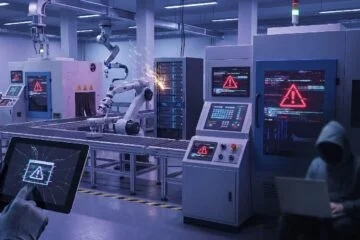
The logistics and transportation sectors are the backbone of global trade, ensuring the seamless movement of goods across borders and industries. However, the increasing reliance on digital technologies, such as IoT devices, GPS tracking, and cloud-based management systems, has made this industry highly vulnerable to cyberattacks.
In a business where delays, disruptions, or breaches can impact financial and operational procedures with immense consequences, having a strong and reliable system that protects you from cyber threats is no longer an option.
This blog explains the importance of cybersecurity in logistics and transportation, identifies common threats, and explores the challenges these industries face. It also highlights key legislations and guidelines to ensure compliance and offers solutions to mitigate risks in logistics and transportation.
Importance of cybersecurity in logistics and transportation
Logistics and transportation providers are especially vulnerable to cyber threats because their industries are the pillars of the global supply chain, with the flow of a huge volume of highly sensitive information, from customer records and shipping timetables to proprietary company data. The use of technological solutions in industries like real-time tracking, IoT-enabled automated fleets, and connected warehouses brings high risks of cyberattacks in these industries. Cyberattacks can result in severe inconveniences ranging from delayed shipment and operations halting to loss of goods as well as sensitive data.
Moreover, logistics companies have to observe numerous cybersecurity regulations linked to the movement of goods and data all over the world. The lack of proper cybersecurity measures can lead to losses, both in terms of money and reputation, sanctions, and even legal prosecution. Thus, it is crucial to have effective cybersecurity measures in place on the logistics and transportation side for operational security and safeguarding information.
Common cybersecurity threats in logistics and transportation
Ransomware Attacks: Ransomware is one type of malware that has significant manifestations; the attackers take over the key infrastructure and ask for money to regain access. In logistics and transportation, that interferes with whole fleets and shipping systems and that costs billions of dollars.
Phishing and Social Engineering: Hackers may trick employees by sending emails posing as a legitimate company colleague or a vendor to access restricted networks. These attacks are especially sharp in sectors such as logistics; constant rush results in people’s mistakes.
Supply Chain Attacks: A supply chain attack is realized when a hacker chooses to attack a weak link in the supply chain rather than attack the main supply chain directly. They can also gain unauthorized access to sensitive information or even interfere with operations within the facility.
IoT Vulnerabilities: The integration of IoT devices into the functioning of organizations involved in fleet management, cargo tracking, and warehouse operation makes these companies more effective but exposes them to new threats. It is very dangerous to leave IoT devices unanchored in a network since an evil person can manipulate the devices to instigate disturbances or incessantly pirate information.
DDoS Attacks: Distributed Denial of Service (DDoS) attacks some targets with excessive traffic, which in turn causes the targets to become non-operational. In logistics and transportation, for example, where real-time is a common operational model, all such attacks can paralyze an entire system.
Data Breaches: Cybercriminals target sensitive consumer, vendor, and operational data. Logistic data breaches may lead to identity theft, financial losses, or even manipulation of the supply chain.
Cybersecurity challenges faced by these industries
The logistics and transportation industries face unique and complex cybersecurity challenges due to their reliance on interconnected systems, third-party vendors, and the vast amount of data they handle. Below are some of the key cybersecurity challenges in these sectors:
1. Complex and Fragmented Supply Chains
Logistics and transportation encompass various stages of the supply chain, including suppliers’ logistic arm, carrier companies, warehousing companies, customers, etc all of which require seamless coordination and security to ensure the safe movement of goods/data. Each entity in this chain uses different systems, making it challenging to maintain a unified cybersecurity strategy.
- Diverse Stakeholders: A breach of security in one link disrupts the entire supply chain, which comes with adverse effects that affect various businesses and even customers.
- Lack of Visibility: The problem is multifaceted due to the involvement of different systems and vendors, which makes it hard to control all the touchpoints. As a result, the network has holes that cannot easily be pinpointed.
2. Legacy Systems and Infrastructures
Many companies in the logistics and transportation sectors still depend on the outdated legacy systems that were not built with modern cybersecurity in mind. Integrating new technologies with these older systems can present vulnerabilities, making it difficult to defend against cyberattacks.
- Security Weaknesses: outdated systems do not incorporate current sophisticated security features such as end-to-end strong encryption, strong authentication, and real-time protection from threats.
- High Cost of Upgrades: Updating these systems is expensive and may require a lot of time; many organizations put off updates, which puts them at risk.
3. Lack of Cybersecurity Awareness
The fast paced nature of the logistics operations can lead to cybersecurity being overlooked. Employees focus on efficiency and speed, making them easy targets for cyberattacks like phishing and social engineering.
- Phishing and Social Engineering Attack: Workers handling shipping, receiving, or managing transportation fleets may unknowingly click on malicious links or download malware due to a lack of cybersecurity training.
- Limited Training: Most logistics companies do not ensure their employees are trained enough on cyber security, which makes them more of a security risk through ignorance.
4. High-Risk IoT Devices and Connected Systems
The use of IoT devices and automated systems in logistics is growing, from smart fleet management to real-time cargo tracking. While these devices increase efficiency, they also increase the industry’s attack surface.
- Weak IoT Security: Most IoT deployed in transportation include GPS trackers, warehouse robots, etc., and they lack proper protection mechanisms as hackers can easily attack them.
- Data Exposure: IoT devices constantly send data, and if this is vulnerable, the data can be stolen, tampered with, or destroyed, leading to theft, sabotage, or operational interruption.
5. Dependency on Third-Party Vendors
Logistics and transportation companies rely heavily on third-party vendors for various functions, such as software, warehousing, and transportation services. These third-party vendors lack the cybersecurity maturity of the larger companies they serve, making them weak links in the security chain.
- Vendor Vulnerabilities: When a third-party vendor’s system is compromised, hackers can access the logistics company’s information or systems.
- Limited Control: Businesses can control their organizations’ internal cybersecurity policies but cannot do much to maintain security from third parties.
Key legislations and guidelines to ensure compliance and mitigate risks
- GDPR (General Data Protection Regulation): Organizations doing business in the European Union or collecting personal information of EU residents are bound by GDPR, which specifically spells out control measures on data protection and establishes breach reporting standards. Failure to abide by the rules will attract severe penalties.
- NIST Cybersecurity Framework: NIST developed a framework specifically for managing cybersecurity risk and exposing organizations to it. Logistics and transportation organizations may use these guidelines to improve cybersecurity.
- CISA's Supply Chain Risk Management Practices: The U.S. Cybersecurity and Infrastructure Security Agency (CISA) offers best practices for supply chain risk management. These guidelines help logistics companies secure their supply chain from potential cyber threats.
- ISO/IEC 27001: Information security is a system used by organizations worldwide. It identifies the best practices that should be followed in organizations. Logistics companies can use this standard to guarantee that they have complied with international protocols of cybersecurity and, by extension, the defense of sensitive data.
- C-TPAT (Customs-Trade Partnership Against Terrorism): This program is based in the United States and promises to deliver solutions to enhance supply chain protection. By joining C-TPAT, logistics providers can improve their organization's cybersecurity standards and become compliant with national security standards.
Conclusion
Logistics and transportation industries are particularly vulnerable to cyberattacks because they are in the process of digitization. From ransomware to supply chain attacks, cybercriminals can exploit many loopholes, and they can always be costly. In this way, common threats, specific threats, and threats due to compliance with security standards are reported, which helps organize protection against cyber threats in businesses.
StrongBox IT is committed to providing tailored cybersecurity solutions that help logistics and transportation companies navigate the evolving threat landscape and protect their operations, data, and customers.