Latest Posts
What Is Continuous Security Monitoring?
November 20, 2026
Security risks can arise when organisations update software, change system configurations, or introduce new applications. Periodic security assessments may not detect every issue between reviews. Organisations need ongoing visibility into their IT environments to identify suspicious activity and respond to potential threats.
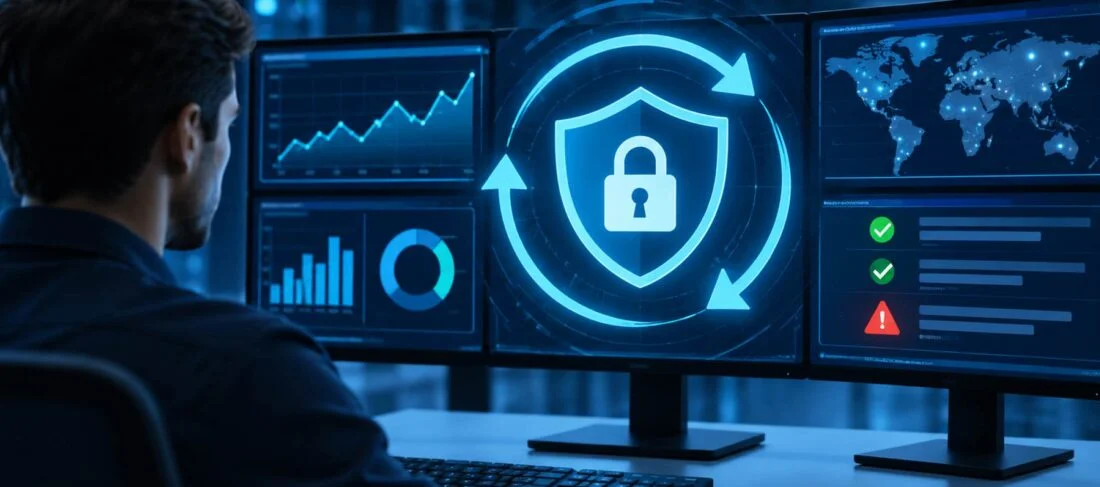
Continuous Security Monitoring (CSM) addresses this need by tracking security events, vulnerabilities, configuration changes, and unusual behaviour. It combines automated tools with security analysis to help teams identify risks and take timely action.
What Is Continuous Security Monitoring?
Continuous Security Monitoring involves collecting and analysing security data across an organisation's IT infrastructure. It helps security teams track system activity, identify potential threats, and evaluate existing security controls.
Unlike periodic assessments, CSM provides ongoing visibility across networks, endpoints, cloud environments, applications, APIs, and connected devices. It uses automated monitoring, threat intelligence, and human analysis to flag unusual activity, such as suspicious login attempts or insecure cloud configurations.
Why Is Continuous Security Monitoring Important?
Software updates, configuration changes and new connected devices can introduce security risks. Ongoing monitoring helps organisations identify these changes and address potential threats before they cause significant disruption.
The following factors highlight its importance.
Attackers can exploit newly discovered vulnerabilities, compromised credentials and misconfigured systems. Monitoring helps detect suspicious logins, unusual network connections and other indicators of potential attacks, allowing teams to investigate them early.
Undetected attackers may gain access to sensitive information or move between systems. Timely alerts help security teams investigate incidents, contain threats and limit their impact.
Organisations often use on-premises infrastructure, cloud platforms, remote endpoints and third-party applications. Bringing security information from these sources together helps teams identify activity that may otherwise go unnoticed.
Security logs, incident records and monitoring reports help demonstrate how organisations track and manage risks. These records can support governance and compliance activities related to frameworks such as ISO 27001, PCI DSS and SOC 2.
How Does Continuous Security Monitoring Work?
The process generally involves five stages:
-
 Collect Security Data
Gather information from networks, servers, endpoints, applications and cloud platforms, including system logs, login records and vulnerability scan results.
-
Analyse Activity and Detect Threats
Use detection rules, behavioural analytics and threat intelligence to identify unusual patterns, suspicious access attempts and potential attacks.
-
Generate and Review Security Alerts
Monitoring tools flag suspicious activity. Security teams examine the alerts, verify potential threats and filter out harmless events.
-
Assess and Prioritise Risks
Evaluate findings based on severity, exploitability, affected systems and potential business impact. This helps teams focus on high-priority issues.
-
Contain, Remediate and Review
Take corrective action, such as isolating affected devices, applying security patches or disabling compromised accounts. Review the incident and verify that the issue has been addressed.
What Are the Benefits of Continuous Security Monitoring?
Continuous security monitoring helps organisations manage risks and improve security through the following benefits:
-

Identifies suspicious activity and potential threats early.
-
Limits unauthorised access, data exposure and operational disruption.
-
Provides visibility across networks, applications, endpoints and cloud environments.
-
Helps teams prioritise high-risk issues and allocate resources.
-
Maintains security records to support compliance activities.
-
Reduces the risk of prolonged business disruptions through timely action.
What Are the Best Practices for Implementing Continuous Security Monitoring?
Organisations need clear processes and regular reviews to maintain effective monitoring. The following practices can help:
 Establish an Asset Inventory
Identify systems, applications, cloud resources, endpoints and connected devices that require monitoring, including third-party assets.
-
Prioritise High-Risk Assets
Classify assets based on business importance, data sensitivity and exposure to potential threats.
-
Define Alerting and Escalation Procedures
Set clear alert thresholds and assign responsibilities for reviewing and responding to security events.
-
Review Detection Rules Regularly
Update detection methods and threat intelligence sources to account for changes in infrastructure and attack techniques.
-
Integrate Monitoring with Incident Management
Establish procedures to investigate alerts, contain confirmed threats, document incidents and verify corrective actions.
Who Needs Continuous Security Monitoring?
Organisations that handle sensitive data, manage complex IT environments or depend on uninterrupted digital services can benefit from ongoing monitoring.
-
 SaaS and technology companies
:
Monitor applications, APIs, cloud infrastructure and user activity.
-
Healthcare organisations
:
Protect patient records, medical systems and connected devices.
-
Banking and financial services
:
Monitor financial systems and detect suspicious access.
-
E-commerce businesses
:
Track activity across customer accounts, payment systems and websites.
-
Large enterprises
:
Maintain visibility across on-premises networks, cloud platforms and remote endpoints.
Businesses with limited in-house security teams can also consider managed monitoring. External security teams can help review alerts, investigate potential threats and recommend corrective actions.
How StrongBox IT Supports Continuous Security Monitoring
At StrongBox IT, we help organisations identify potential threats through continuous monitoring and security assessments.
Our assessments cover applications, networks, cloud environments, APIs and IoT devices. We provide risk-based recommendations to help teams address security gaps and strengthen their controls.
Conclusion
Continuous Security Monitoring helps organisations detect suspicious activity, prioritise risks and maintain visibility across their IT environments. Combining ongoing monitoring with regular security assessments and incident response helps reduce exposure to cyber threats.
StrongBox IT supports organisations with monitoring and security assessments to help identify risks and improve their overall security posture.